
Views: 1822 Author: Publish Time:2025-12-08 10:46:05 Origin: Orpinegift
Badges have long been treated as decorative tokens, company swag, or simple identification. But in 2025 they are quietly evolving into something more significant — micro credential tokens that signal skills, trust, and belonging inside increasingly hybrid and remote-first organizations. This shift is part material and part digital: physical badges (custom badge, enamel badge, pin badge) regain meaning when paired with digital verification and purposeful design. Here’s why badges deserve a fresh look, and how brands and teams can design badges that matter.
Why badges are resurging
For many years, the rise of digital credentials and mobile-first work made physical items feel dated. Yet two forces have revived interest: the human need for tactile affirmation, and the practical challenge of building culture when teams are distributed. A well-crafted name badge or embroidered badge gives a moment of connection when colleagues meet at a conference, pop-up office day, or an onboarding event. Promotional badge giveaways still work, but the highest impact comes from badges designed to represent verified micro-credentials — for example, “Accessibility Reviewer,” “Kubernetes Certified,” or “Mentor Level 2.”
Physical plus digital equals credibility
The future badge is hybrid. Imagine a carefully manufactured enamel badge or PVC badge carrying an NFC chip or QR code linked to a verified profile. Scanning reveals evidence: a short project portfolio, a timestamped achievement, or endorsements from peers. This pairing transforms a collectible pin badge into a portable verification device. Badge makers and badge design teams must therefore consider materials and tech integration equally — metal badges or enamel pin badges should be comfortable and durable, while embedding the minimal tech that preserves aesthetics.
Design principles for meaningful badges
Purpose first — Decide whether the badge is decorative, identification, promotional, or credential. A promotional badge is designed to be shared; a micro-credential badge must resist casual replication and show verifiable proof.
Readability and scale — For name badge or title text, prioritize clear fonts and contrast; embroidered badge work differently than metal pins and require bigger letterforms.
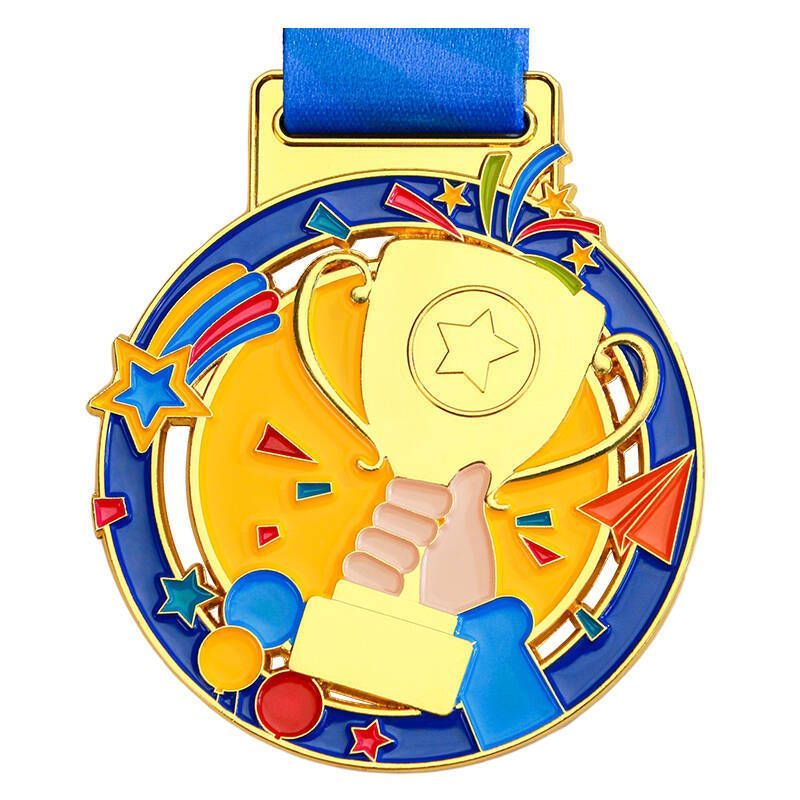
Material matched to meaning — Hard enamel pin badges convey permanence; soft enamel can feel playful; embroidered badges are tactile and fabric-friendly; PVC badges are weatherproof and cost-effective. Choose materials that reflect the badge’s symbolic weight.
Modularity — Consider modular badges: a base company badge plus attachable micro-credential tabs. This allows individuals to accumulate skills without discarding original ID.
Sustainability — Use recycled metals or recycled PVC alternatives, and communicate the eco story on the digital profile linked to the badge.
Use cases where badges outperform a certificate
Onsite meetups: A physical badge creates an instant conversational anchor.
Cross-team festivals or hackathons: collectible enamel badge series encourages engagement and retention.
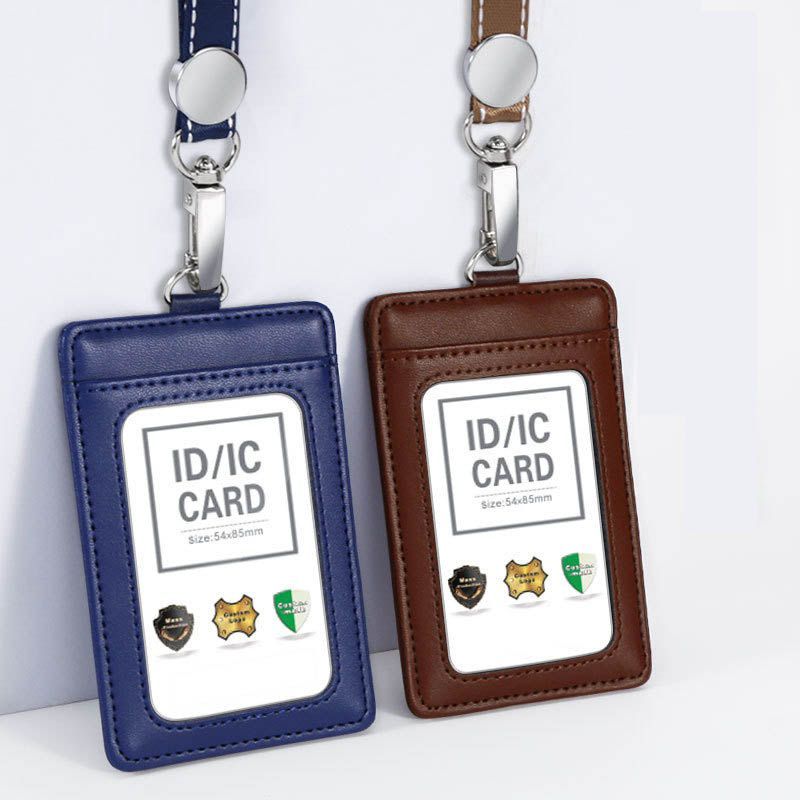
Customer-facing roles: verified name badges foster trust when service reps meet clients.
Alumni networks: limited-edition pin badge drops cement belonging and nostalgia.
How brands and HR teams can implement badge programs
Start small. Pick 1–2 micro-credentials that align with measurable outcomes (e.g., completed a client onboarding flow, certified code reviewer). Work with a reliable badge maker for prototypes—test both enamel badge and embroidered badge variants—and run a pilot where each badge links to a lightweight verified profile page. Track both qualitative feedback (do people wear them?) and measurable signals (networking leads at events, internal referrals). If a promotional badge is part of marketing, design limited series to drive collector behavior.
A note for marketers and merch teams
Promotional badge campaigns succeed when they combine scarcity, storytelling, and easy shareability. Make the digital profile share-friendly so recipients can post their verified micro-credentials on social platforms. Use unique badge design variations—colorways, finish (hard enamel vs soft enamel), or numbered editions—to stimulate collector interest.
Conclusion
Badges are no longer just swag or ID. When thoughtfully designed and paired with lightweight digital verification, badges become portable micro-credential tokens — physical signs of skill, trust, and civic belonging in hybrid workplace communities. For badge makers, HR teams, and brand merch managers, this is an opportunity: craft badges that carry proof, provoke conversation, and preserve their tactile charm.